Bringing a dog into a family should expand joy, not tension. When training includes children and multiple family members it becomes a shared skill that cements bonds, reduces accidents, and creates reliable behavior outside the house. Virginia Beach presents special opportunities and challenges for family-centered training: busy boardwalks, crowded dog-friendly parks, humid summers, and an active outdoor culture. That means training must be practical, consistent, and designed for real-world distractions. This article explains how to build an effective, safe program for kids and adults together, what to expect from a trusted dog trainer near me, and how to make leash training for dog a successful, family-led habit. I will also describe how local resources such as Coastal K9 Academy can fit into a family plan.
Why family involvement matters When only one person trains a dog, progress stalls the moment that person is absent. Dogs generalize poorly if cues, rewards, and enforcement vary wildly across household members. Children bring a huge advantage: they are naturally playful and provide abundant reinforcement through games and affection. The drawback is inconsistent timing and impulsive moves. Teaching children the right way to interact with a dog accelerates learning, prevents fear responses, and reduces the risk of bites or resource guarding.
A practical example: I worked with a eight-year-old and her Labrador who learned sit in two days when the child used the same three-word phrase, the same hand position, and a small soft treat each time. When Mom tried to "help" by switching to a kibble reward, the dog paused. The fix was simple: standardize the cue and reward, then fade treats together. That kind of coordination is what family training produces.
Start with safety and roles Before you run into the yard, set clear rules. Decide who will handle leash duties, who will give certain commands, and who will reward. Assigning roles prevents tug-of-war over leadership and helps children know what behaviors are theirs to manage. For example, one child might be responsible for morning leash walks, while an adult handles recall practice near traffic.
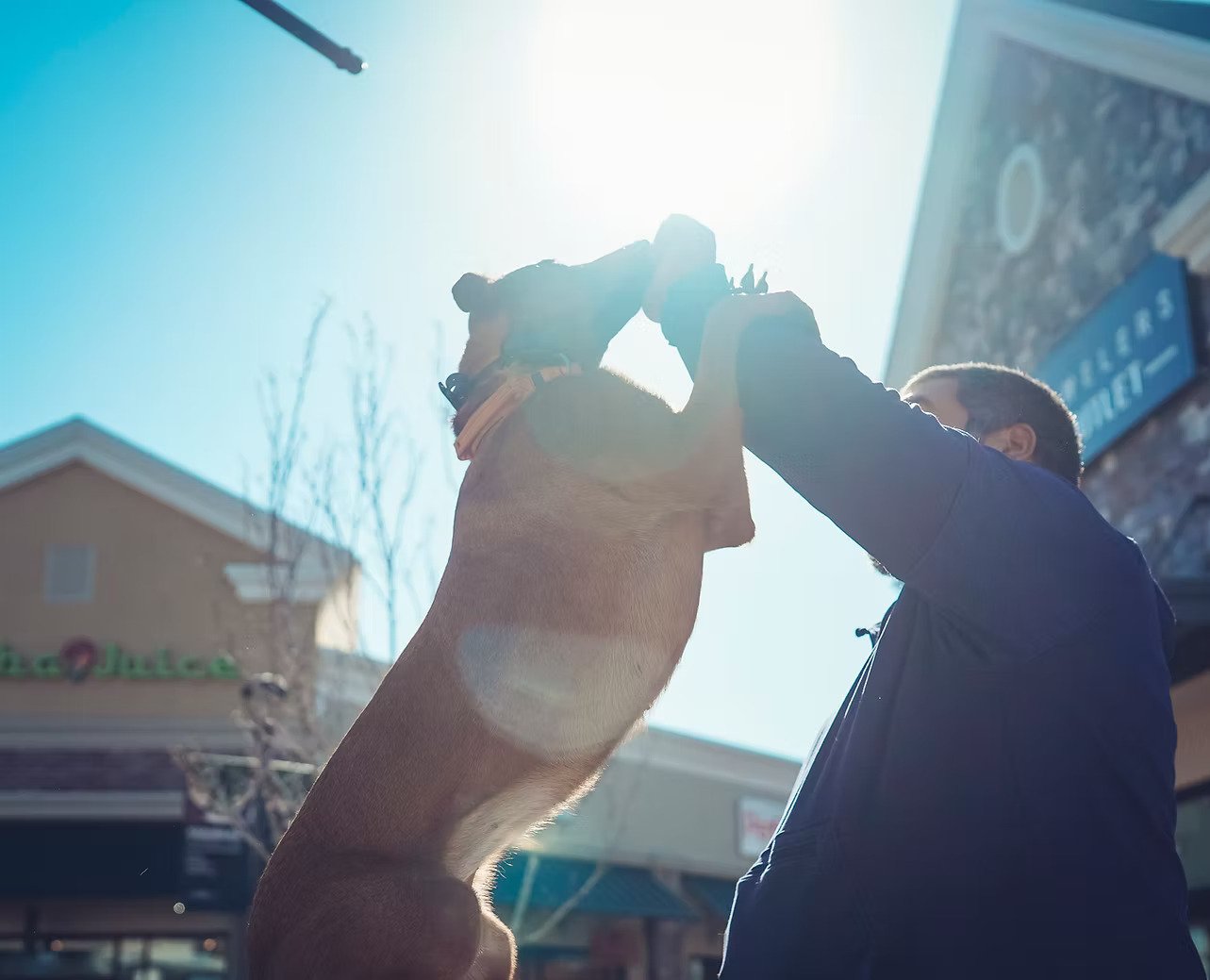
Age guidance matters. Children under five should not be left unsupervised with dogs. Kids between five and ten can feed, brush, and deliver simple cues under adult supervision. At eleven and older, many children can run basic training sessions and manage short solo walks depending on maturity. These are general ranges; assess each child for impulsivity and attention span.
Essential equipment for families A few quality items reduce friction and keep training safe. A front-clip harness or no-pull harness provides better control without straining the dog’s neck during leash training for dog. A 4 to 6 foot leash gives predictable connections; avoid retractable leashes for training because they teach the dog to ignore consistent tension. Use small, soft treats that the dog can eat in one bite during active sessions; aim for pieces about the size of a pea and keep a treat pouch accessible. A clicker can be useful for precise timing, but a consistent, short verbal marker like yes works equally well if you prefer to avoid clicker-training.
If you search for dog training near me, look for trainers who vet equipment choices and explain family roles. A trusted dog trainer near me will come to your home or local park to see how your family interacts, rather than running a one-size-fits-all class.
How to structure family training sessions Short, frequent sessions beat long, sporadic ones. Aim for five to ten minute sessions, two to four times per day. Kids can do one session after school and another before dinner. Adults can slot in commands during transitions, like before leash-on and after doorways.
Begin sessions with simple, high-success tasks: sit, settle on a mat, and leash walking. End each session with a reward and praise so kids learn that training should be positive and finite. Rotate who leads the session to generalize cues. After a week of consistent, short sessions, add distractions and longer durations to challenge the dog.
A three-step weekly plan for families
Foundation days: practice sits, down, and loose-leash walking in low-distraction environments, five to ten minutes per session. Distraction days: move practice to busier spots like a side street, a quiet corner of Mount Trashmore, or a less busy stretch of the boardwalk during off-peak hours. Real-life integration: use everyday moments as training opportunities, such as asking for a sit before the family gets the leash, or having the dog wait calmly while kids put on shoes.This three-step plan keeps progress measurable and gives each family member trusted obedience trainer near me simple milestones.
Teaching children to lead without scaring the dog Kids often misjudge how hard to pull or how fast to move the leash. Teach them to hold the leash with two hands, keeping the elbow in and the walk calm. Practice loose-leash walking in the yard first. Give children a specific signal to stop, like saying stop in a firm but calm voice. Use games to reinforce patience, for example walking to a cone and getting a treat only when the dog is calm.
If your dog is large or strong, always pair a child with an adult until you are confident in the dog’s responses. Never allow a child to handle the dog alone if the dog shows any fear, resource guarding, or reactive behaviors.
Leash training for dog: practical checkpoints Leash training is the number one skill families need for safety and freedom. Break leash training into stages:
- Tolerance: the dog accepts the harness and leash without panicking. Connection: the dog walks at your side for short stretches. Loose-leash walking: the leash remains slack while the dog moves with you. Focus amid distraction: the dog pays some attention while people, bikes, and other dogs pass. Polished performance: the dog initiates eye contact on cue and returns to heel reliably.
Use thresholds to know when to dial difficulty up or down. If a dog fails at focus amid distraction, move back to a quieter space and increase reinforcement. If progress stalls for more than two weeks, consult a professional. A local trainer such as Coastal K9 Academy can provide targeted leash-work, especially for busy environments like Virginia Beach boardwalks and parks.
Teaching commands as family rituals Turn commands into rituals tied to daily activities. For example, “sit” before feeding, “wait” at the door before walks, and “place” at bedtime. Rituals help children remember to ask for behaviors at the right times and create predictable structure for the dog.
Make language consistent. Choose one command per behavior and stick to it across family members. Varying command words confuses dogs and lengthens training time. If you currently have different words in the family, spend a week standardizing and practicing together.
Handling setbacks and reactive behaviors Some dogs react to fast-moving crowds, bicycles, or other dogs, which can be more common near busy Virginia Beach spots. Reactivity is not the same as aggression, but it does require careful management. Never punish a dog for reactive behavior; punishment often increases stress and worsens the cycle.
If your dog lunges or barks at triggers, use counter-conditioning and desensitization: start at a Dog Training Virginia Beach Coastal K9 Academy distance where the dog notices the trigger but remains calm, reward calm behavior, and gradually decrease distance over time. Children should never be the primary handler during these sessions. For safety and speed, hire a professional who will design a plan using controlled exposure and positive reinforcement.
When to hire a professional Bring in a trainer if you see any of the following for more than two weeks: increasing frequency of resource guarding, escalating reactivity, the dog ignores basic safety cues near roads, or children are becoming scared to interact. Look for a trainer who teaches children as part of the program and who is willing to come to your home or neighborhood. Search terms like trusted dog trainer near me or dog training near me will surface options; prioritize trainers who have local experience with the kinds of environments you use.
Coastal K9 Academy, for instance, runs family classes and private lessons in Virginia Beach. They emphasize real-world practice, leash skills, and teach parents and kids to deliver consistent cues. If you choose a trainer, ask for references, a clear training plan with milestones, and written safety guidelines for kids.
Local considerations in Virginia Beach Virginia Beach has unique rhythms. Summers are hot and humid, which affects training times and treat choices. Train early in the morning or later in the evening during heat waves. Use shallow-water play and shaded parks for reward breaks. Sand can hide hazards such as broken glass and hot surfaces, so check walking routes.
Popular training spots vary by time of day. First Landing State Park and parts of the Rudee Inlet area offer quieter spaces in the morning. The boardwalk is a high-distraction area that requires advanced training or careful timing. Always respect local leash laws and seasonal beach restrictions. If you plan to take your dog to the boardwalk or beach, practice recall and loose-leash walking in similar crowded environments first.
A simple family safety checklist for outings
- Confirm leash laws and beach restrictions for the area and time. Have a secure harness and 4 to 6 foot leash, plus a backup leash in the car. Pack water and a collapsible bowl, plus small treats and a first aid kit. Designate one adult to supervise children and one to handle the leash if needed. This checklist helps families prepare for predictable contingencies and keeps outings safer.
Making training meaningful for children Children learn better when they see cause and effect. Use immediate, visible rewards: a short tug toy session for a game, five seconds of play, a tasty treat, or the privilege of throwing a ball. Track progress with simple charts or a weekend scoreboard the family can update. Celebrate small wins: the first time the dog sits and waits for a child to tie shoes, or when everyone walks calmly past a cyclist.
Encourage empathy. Have kids help with grooming, vet visits, and measuring food. Teach them to read body language cues like a tucked tail, whale eye, and relaxed mouth. Role-play with stuffed animals to practice calm approaches and to learn when to give a dog space.
Balancing firmness and warmth Training works best when firm rules meet warm relationships. Dogs need clear consequences and consistent expectations, but they also thrive on positive interaction with family members. Avoid pressure-based "dominance" techniques. Instead, replace problem behaviors by teaching what you want the dog to do, and reward that behavior frequently. For example, instead of yelling when the dog jumps, teach a reliable sit for greeting and reward the dog the moment all four paws stay on the floor.
Edge cases and trade-offs Every family faces trade-offs. If your dog is young and boisterous, outdoor freedom may be limited for several months while you build reliable recall. That restricts spontaneous outings initially, but it buys years of safe access to beaches, parks, and friends’ homes. If your child desperately wants to walk the dog alone but the dog is still learning leash manners, negotiate responsibilities: the child can feed, groom, or practice sit at the door while an adult handles walks.
Another trade-off arises with group classes versus private lessons. Group classes offer socialization and cost savings but may not accommodate a reactive dog or small children’s safety. Private lessons are more expensive but allow the trainer to teach children directly and manage the family dynamics, often producing faster, safer outcomes.
Measuring progress with clear metrics Build measurable goals. For a two-month plan, choose three metrics such as: loose-leash walking for 10 minutes with no more than two leash corrections, reliable recall in a fenced park 8 out of 10 times, and calm greetings with children seated for five consecutive encounters. Track these weekly. If you see no improvement after two to three weeks on a metric, analyze consistency across family members and increase trainer involvement.
Final thoughts: a family investment that pays dividends Training a dog as a family is an investment of time, patience, and often money. The returns are concrete: fewer injuries, less stress on caregivers, safer public outings, and a dog who is part of the family rather than a source of friction. Work with local trainers who understand Virginia Beach’s environment and who teach children as part of the plan. Use consistent language, small focused sessions, and clear safety rules. With coordination and realistic milestones, your family can enjoy the independence of a well-trained dog on the beach, at the park, and in the home.
If you are searching dog training near me or trusted dog trainer near me, interview trainers about family involvement, ask for a written plan, and check whether they offer in-home or neighborhood sessions. For many families in Virginia Beach, Coastal K9 Academy has been a practical partner because they emphasize real-world obedience, leash training for dog, and family education. Whichever route you choose, prioritize safety, consistency, and frequent, joyful practice so your dog becomes a cooperative member of the entire family.
Coastal K9 Academy
2608 Horse Pasture Rd, Virginia Beach, VA 23453
+1 (757) 831-3625
[email protected]
Website: https://www.coastalk9nc.com